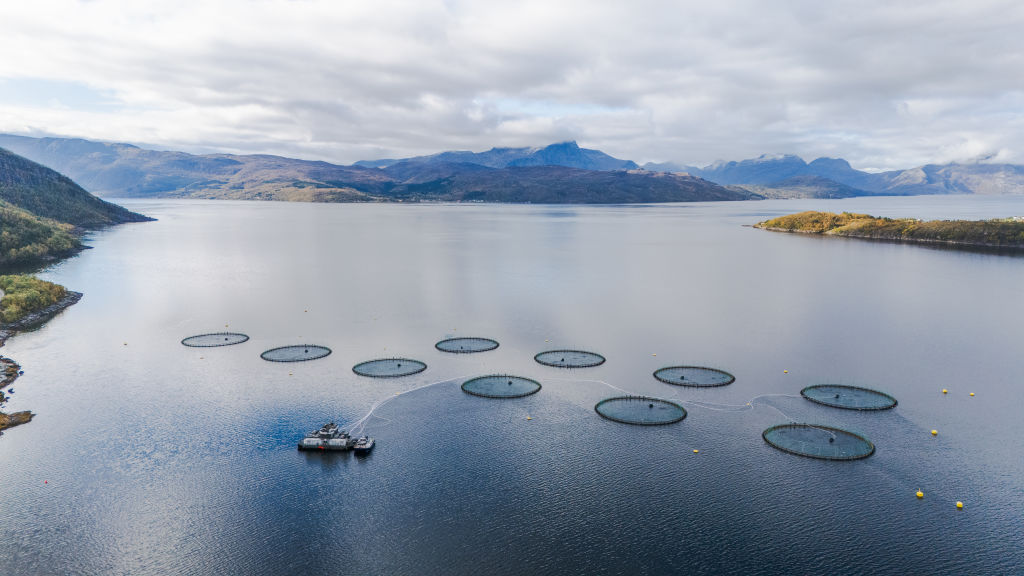
Farmed Atlantic salmon contains significantly lower concentrations of essential omega-3 fatty acids and micronutrients than it did fifteen years ago, according to a comprehensive study published by aquaculture and nutrition researchers.
The decline is linked to major feed shifts across the global salmon farming industry, which has increasingly swapped wild-caught fishmeal and marine oils for plant-based feeds like soy, canola, and terrestrial proteins to address sustainability concerns and rising costs. While the dietary pivot reduced pressure on wild forage fish stocks, researchers found that consumer portions of farmed salmon now yield roughly half the EPA and DHA fatty acids compared to 2010 levels, requiring larger serving sizes to meet clinical nutritional recommendations.
